
Background
I didn’t start out thinking I would be an engineer. What I did know early on was that I liked figuring things out, taking things apart, understanding how they worked, and trying to fix what didn’t. I was always more interested in the process than the result.
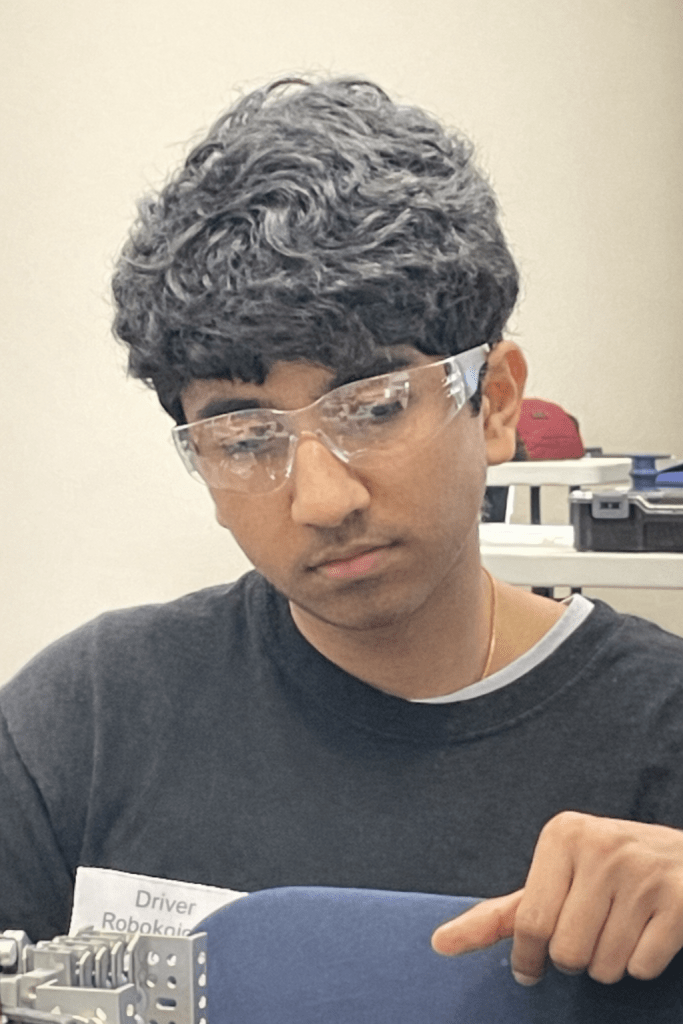
That curiosity really took shape when I got involved in robotics. At first it was just learning, but over time it became actually building things and seeing them work in the real world. I started to enjoy the challenge of making something functional, especially when it didn’t work the first time and I had to figure out why.
Through these experiences, I learned that building something is rarely straightforward. Most of the time is spent troubleshooting, adjusting, and trying again. Leading my robotics team pushed that even further, because it wasn’t just about solving problems myself, but helping others work through them too.
Now, as an Electrical Engineering student, I’m continuing to build on that foundation. I’m still driven by the same curiosity, but now I’m working toward applying it in more meaningful and impactful ways. This portfolio reflects that process, what I’ve worked on, what I’ve learned, and where I’m trying to go next.

Education
Current Relevant Courses: Circuit Analysis, Digital System Design
Clubs: Marine Robotics Group, Robo Jackets
Skills
Hardware & Electrical:
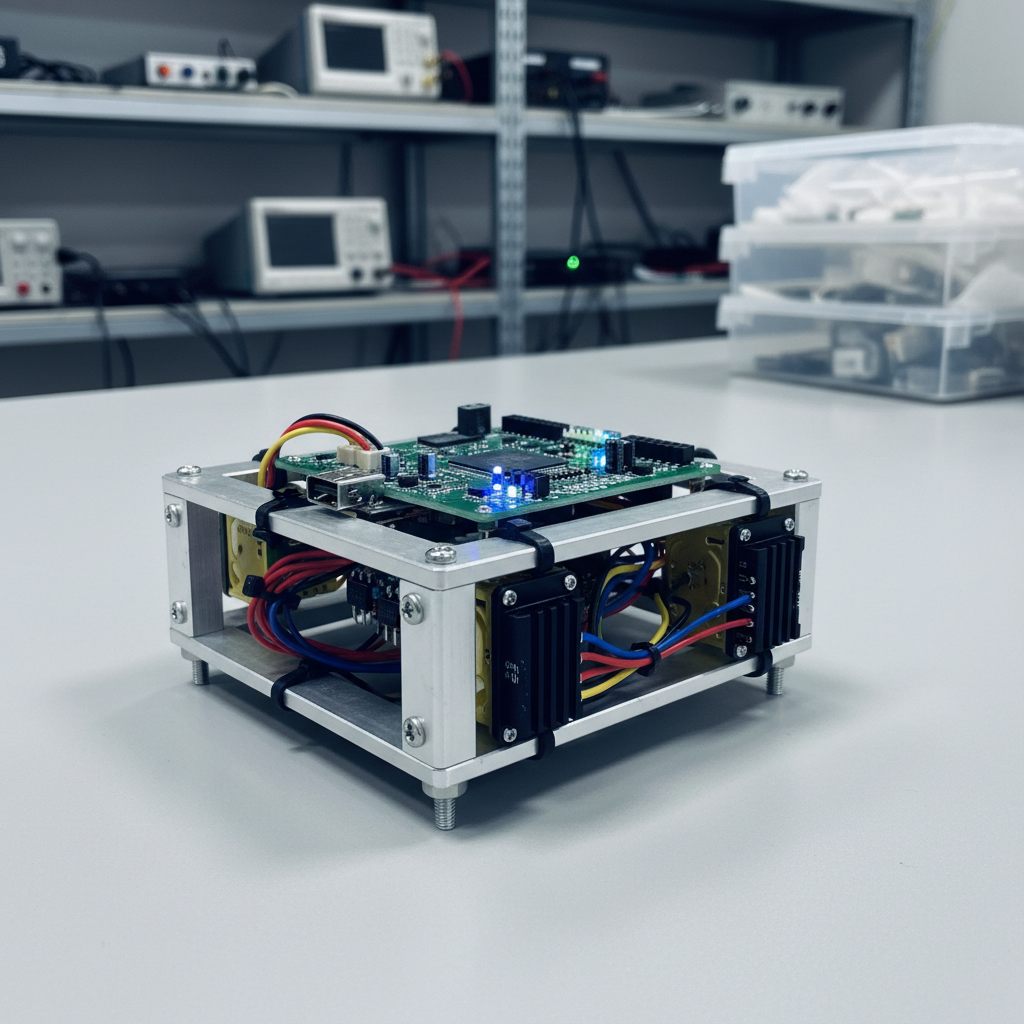
Circuit analysis, breadboarding, PCB design (KiCad/Altium), soldering (SMD & through-hole)
Embedded Systems & Programming:
Arduino, C/C++, microcontroller interfacing, sensor integration
Tools & Software:
Oscilloscope, Multimeter, Git/GitHub, Arduino IDE
Soft Skills:
Strong problem-solving; analytical thinking, adaptability when troubleshooting unexpected issues; effective teamwork through collaboration; experience leading teams has also helped me develop communication skills.
 Sai Tarun Alwala - Portfolio